how is biomass energy made usable

Is Biomass Energy Really A Renewable Energy Source?
Many people have questions about whether biomass energy is truly a renewable energy source. Let's dive into some of the most commonly asked questions about this topic:
1. What is biomass energy?
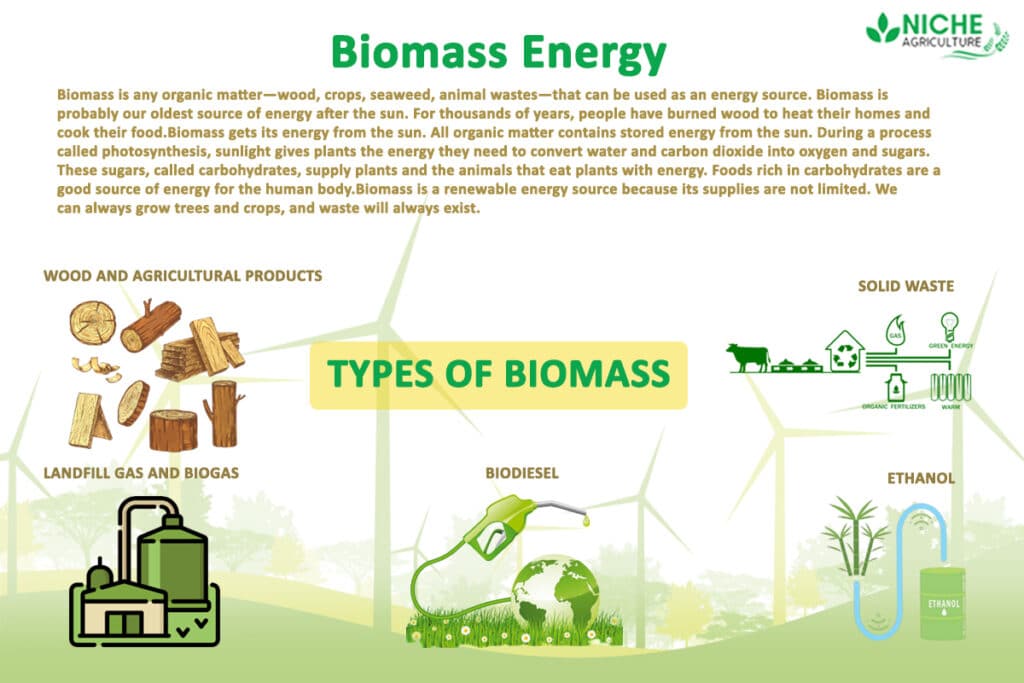
Biomass energy refers to the use of organic materials, such as plants, wood, and agricultural waste, to generate heat, electricity, or fuel for various applications.

2. How is biomass energy produced?
Biomass energy is produced through processes like combustion, gasification, or anaerobic digestion. These methods convert organic materials into heat, electricity, or biofuels.
3. Is biomass energy renewable?
Yes, biomass energy is generally considered renewable. This is because biomass materials can be replenished through sustainable practices, such as planting more trees or growing dedicated energy crops.
4. Is biomass energy carbon-neutral?
Biomass energy is often considered carbon-neutral because the carbon dioxide emitted during its combustion is offset by the carbon dioxide absorbed during the growth of biomass plants. However, the overall carbon neutrality depends on the specific biomass feedstock and the efficiency of the conversion process.
5. What are the advantages of biomass energy?
- Biomass is a widely available and abundant resource.
- It can help reduce greenhouse gas emissions compared to fossil fuels.
- Biomass energy can contribute to waste management by utilizing agricultural and forestry residues.
6. Are there any disadvantages to biomass energy?
- The collection and transportation of biomass materials can be costly.
- Some biomass feedstocks may compete with food production and lead to land-use conflicts.
- Efficiency and emissions can vary depending on the biomass conversion technology used.
7. Can biomass energy replace fossil fuels?
Biomass energy has the potential to partially replace fossil fuels in certain applications. However, it is unlikely to completely replace them due to limitations in resource availability and scalability.
8. What types of biomass can be used for energy production?
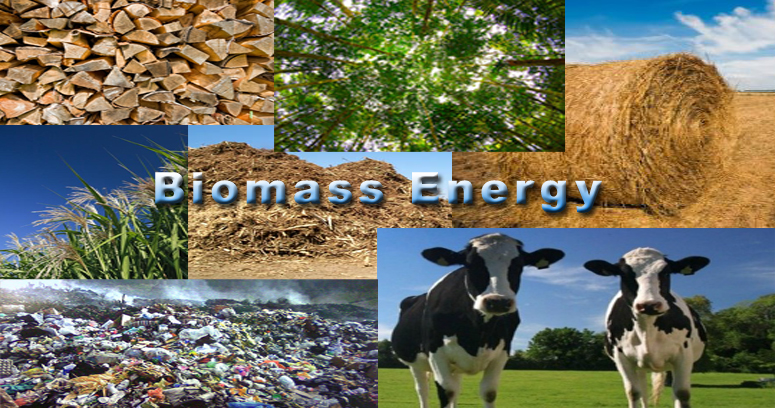
A wide range of biomass materials can be used for energy production, including agricultural residues, dedicated energy crops, forest residues, and organic waste.
9. How does biomass energy compare to other renewable energy sources?
Biomass energy has its own set of advantages and disadvantages compared to other renewable energy sources. It provides dispatchable power (can be adjusted based on demand), unlike solar or wind energy. However, it may have higher emissions and environmental impacts compared to some other renewables.
10. Are there any regulations or certifications for biomass energy?
Various countries and regions have regulations and certifications in place to ensure the sustainable and responsible production of biomass energy. These may include guidelines for feedstock sourcing, emissions standards, and land-use practices.
11. What is the future outlook for biomass energy?
The future of biomass energy depends on factors such as technological advancements, policy support, and the availability of sustainable biomass resources. It is likely to continue playing a role in the renewable energy mix, especially for applications requiring dispatchable power.
12. How can individuals contribute to biomass energy adoption?
Individuals can support biomass energy adoption by:
- Opting for biomass-based heating systems in their homes.
- Advocating for policies that promote sustainable biomass production and use.
- Reducing energy consumption through energy-efficient practices.
Overall, biomass energy is a renewable energy source that can help reduce reliance on fossil fuels. However, careful consideration of feedstock sourcing, efficiency, and environmental impacts is crucial for its sustainable implementation.
Sources:
- Image Source 1
- Image Source 2