how long has biomass energy been used

Is Biomass Energy Really A Renewable Energy Source?
Biomass energy is a topic that often raises questions and sparks discussion. In this article, we will address twelve of the most commonly asked questions about biomass energy to provide a comprehensive understanding of this renewable energy source.
1. How does biomass energy work?
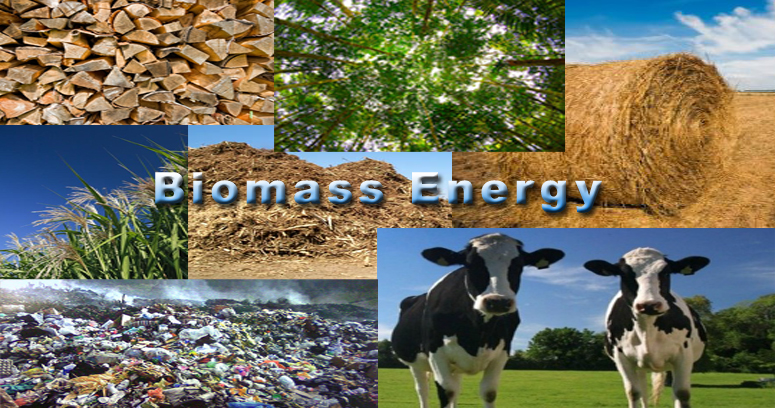
Biomass energy is generated by utilizing organic materials, such as wood, crops, agricultural residues, and even dedicated energy crops. These materials are combusted or converted into biofuels to produce heat, electricity, or both. The process involves burning the biomass to release the stored energy in its chemical bonds.
Comprehensive structured answer from an expert:
- Biomass energy can be generated through various processes like direct combustion, gasification, or anaerobic digestion.
- During direct combustion, biomass is burned in boilers or furnaces to produce heat, which can then be used for space heating or to generate electricity.
- Gasification involves converting biomass into a gas (syngas), which can be used as a fuel for internal combustion engines or turbines.
- Anaerobic digestion breaks down biomass in the absence of oxygen, producing biogas, which can be used for heat, electricity, or as a transportation fuel.
These processes make biomass energy a versatile and renewable option for meeting energy needs.
2. Does biomass energy contribute to climate change?
Biomass energy can be considered carbon neutral as long as the organic materials used are derived from sustainable sources and the carbon emitted during combustion is balanced by the carbon absorbed during the growth of new biomass.
Comprehensive structured answer from an expert:
- When trees and crops are grown for biomass energy, they absorb carbon dioxide (CO2) from the atmosphere through photosynthesis.
- When the biomass is combusted or converted into biofuels, it releases the stored carbon back into the atmosphere.
- As long as the biomass is sourced sustainably, new trees and crops can be grown to absorb the released CO2, creating a cycle that does not contribute to a net increase in atmospheric CO2 levels.
However, concerns arise when biomass is not sourced sustainably or when carbon-rich natural habitats are converted into plantations for biomass feedstock.
3. What are the advantages of biomass energy?
Biomass energy offers several advantages over fossil fuel-based energy sources:
- Renewable: Biomass is derived from organic materials that can be replenished and grown sustainably.
- Reduced greenhouse gas emissions: Biomass energy releases fewer greenhouse gases compared to fossil fuels, helping to mitigate climate change.
- Waste management: Utilizing biomass can help reduce waste and promote efficient waste management practices.
- Job creation: Developing biomass energy infrastructure can create employment opportunities in rural areas.
- Energy security: Biomass is a domestically available energy source, reducing dependence on imported fossil fuels.
4. Can biomass energy be used on a large scale?
Biomass energy can be used on a large scale and has the potential to contribute significantly to a country's energy mix.
Comprehensive structured answer from an expert:
- Large-scale biomass power plants and heating systems have been successfully implemented in various countries around the world.
- Some countries, like Sweden and Finland, heavily rely on biomass energy for heating and electricity generation.
- The scalability of biomass energy depends on the availability of biomass feedstock and efficient transportation infrastructure.
- Utilizing agricultural and forestry residues, as well as energy crops, can help sustain large-scale biomass energy production.
However, careful planning and sustainable sourcing of biomass are essential to avoid negative impacts on the environment and local communities.
5. Is biomass energy expensive?
The cost of biomass energy can vary depending on several factors, such as the type of biomass used, the scale of the project, and local market conditions.
Comprehensive structured answer from an expert:
- The initial capital investment for biomass power plants or heating systems can be higher compared to conventional fossil fuel-based systems.
- However, biomass fuel costs are generally lower, and operational costs can be competitive or even lower than fossil fuel alternatives.
- In some cases, government incentives or subsidies may further reduce the cost of biomass energy.
- Over the long term, biomass energy can provide economic stability and price predictability, as it is not subject to the volatile fossil fuel markets.
In conclusion, while the initial investment may be higher, biomass energy can offer long-term cost savings and economic benefits.
6. Is biomass energy carbon neutral?
Biomass energy can be considered carbon neutral when organic materials are sourced sustainably and the emitted carbon is balanced by carbon absorption through regrowth or other carbon offset mechanisms.
Comprehensive structured answer from an expert:
- When producing biomass feedstock sustainably, new biomass can be continuously grown to absorb the carbon emissions from previous biomass use.
- Additionally, carbon capture and storage (CCS) technologies can be utilized to capture the carbon released during biomass combustion, effectively reducing net emissions.
- However, it is crucial to ensure that biomass is sourced sustainably and its lifecycle emissions are accurately accounted for to achieve carbon neutrality.
Regular monitoring and adherence to sustainability criteria are necessary to maintain the carbon neutrality of biomass energy.
7. Are there any environmental concerns associated with biomass energy?
While biomass energy offers environmental benefits, there are also potential concerns that need to be addressed:
- Land use change: Expanding biomass plantations can lead to land conversion, deforestation, and biodiversity loss if not managed sustainably.
- Air pollution: Inefficient combustion of biomass can result in the release of pollutants, such as particulate matter and nitrogen oxides.
- Water usage: Biomass energy production and processing may require significant amounts of water, posing challenges in water-stressed regions.
Addressing these concerns requires comprehensive sustainability criteria, strict regulations, and continuous monitoring to ensure the environmental integrity of biomass energy.
8. Can biomass energy replace fossil fuels entirely?
While biomass energy can contribute to reducing fossil fuel dependence, it is unlikely to replace fossil fuels entirely due to several limitations.
Comprehensive structured answer from an expert:
- Availability of biomass: The sustainable supply of biomass feedstock may not be sufficient to entirely replace the energy demand currently met by fossil fuels.
- Energy density: Biomass has a lower energy density compared to fossil fuels, meaning larger volumes are required to produce the same amount of energy.
- Intermittency: Unlike fossil fuels, biomass energy can be subject to seasonal variations and availability, depending on crop cycles and other factors.
- Technological challenges: The large-scale implementation of biomass energy requires advancements in biomass conversion technologies and infrastructure.
However, expanding the use of biomass energy alongside other renewable energy sources can significantly contribute to achieving a low-carbon future.
9. Does biomass energy have a positive impact on rural communities?
Biomass energy projects can bring substantial benefits to rural communities:
- Job creation: Biomass energy projects can provide employment opportunities in rural areas, boosting the local economy.
- Agricultural diversification: Converting surplus crops or agricultural residues into biomass feedstock can provide farmers with alternative income sources.
- Energy independence: Biomass can be sourced locally, reducing dependence on imported fossil fuels and enhancing energy security.
These factors contribute to rural development and can help revitalize rural economies.
10. How does biomass energy compare to other renewable energy sources?
Biomass energy has unique characteristics that differentiate it from other renewable energy sources:
- Storage capability: Biomass energy can be stored for later use, making it a flexible energy source compared to intermittent renewables like solar and wind.
- Dispatchability: Biomass power plants can be ramped up or down quickly, allowing for better grid stability and integration with other energy sources.
- Local availability: Biomass energy can be produced locally, reducing the need for long-distance transmission infrastructure and losses.
However, each renewable energy source has its own advantages and challenges, and a diversified portfolio of renewables is crucial for a sustainable energy transition.
11. Is biomass energy viable for developing countries?
Biomass energy can be particularly beneficial for developing countries:
- Local resource utilization: Biomass energy utilizes locally available organic materials, reducing dependence on imported fuels and promoting energy sovereignty.
- Rural development: Developing biomass energy projects can stimulate rural economies, create jobs, and provide decentralized energy solutions.
- Waste management: Biomass energy can help address waste management issues in developing countries, where waste disposal infrastructure may be limited.
By utilizing their biomass resources, developing countries can enhance energy access and contribute to sustainable development.
12. What are the challenges in scaling up biomass energy production?
Scaling up biomass energy production involves overcoming several challenges:
- Sustainable feedstock supply: Ensuring a consistent and sustainable supply of biomass feedstock may require long-term planning, land management, and agricultural practices.
- Logistics and infrastructure: Efficient transportation and storage infrastructure are vital to support large-scale biomass energy production and distribution.
- Technological advancements: Continued research and development are necessary to improve biomass conversion technologies, increase efficiency, and reduce costs.
- Environmental considerations: Biomass energy expansion must be accompanied by rigorous sustainability criteria to avoid negative environmental impacts.
Addressing these challenges requires collaboration between governments, industry, and research institutions to promote the sustainable growth of biomass energy.
In conclusion, biomass energy is a renewable energy source that can play a significant role in the transition to a sustainable and low-carbon future. Its advantages, such as being renewable, reducing greenhouse gas emissions, and contributing to waste management, make it an attractive option. However, careful planning, sustainable sourcing, and addressing environmental concerns are essential to ensure the long-term viability and environmental integrity of biomass energy.