how is biomass renewable energy

Is Biomass Renewable?
Many people are curious about whether biomass is a renewable source of energy. In this article, we will explore this question and provide comprehensive answers to your queries.
1. What is biomass and how is it used for energy generation?
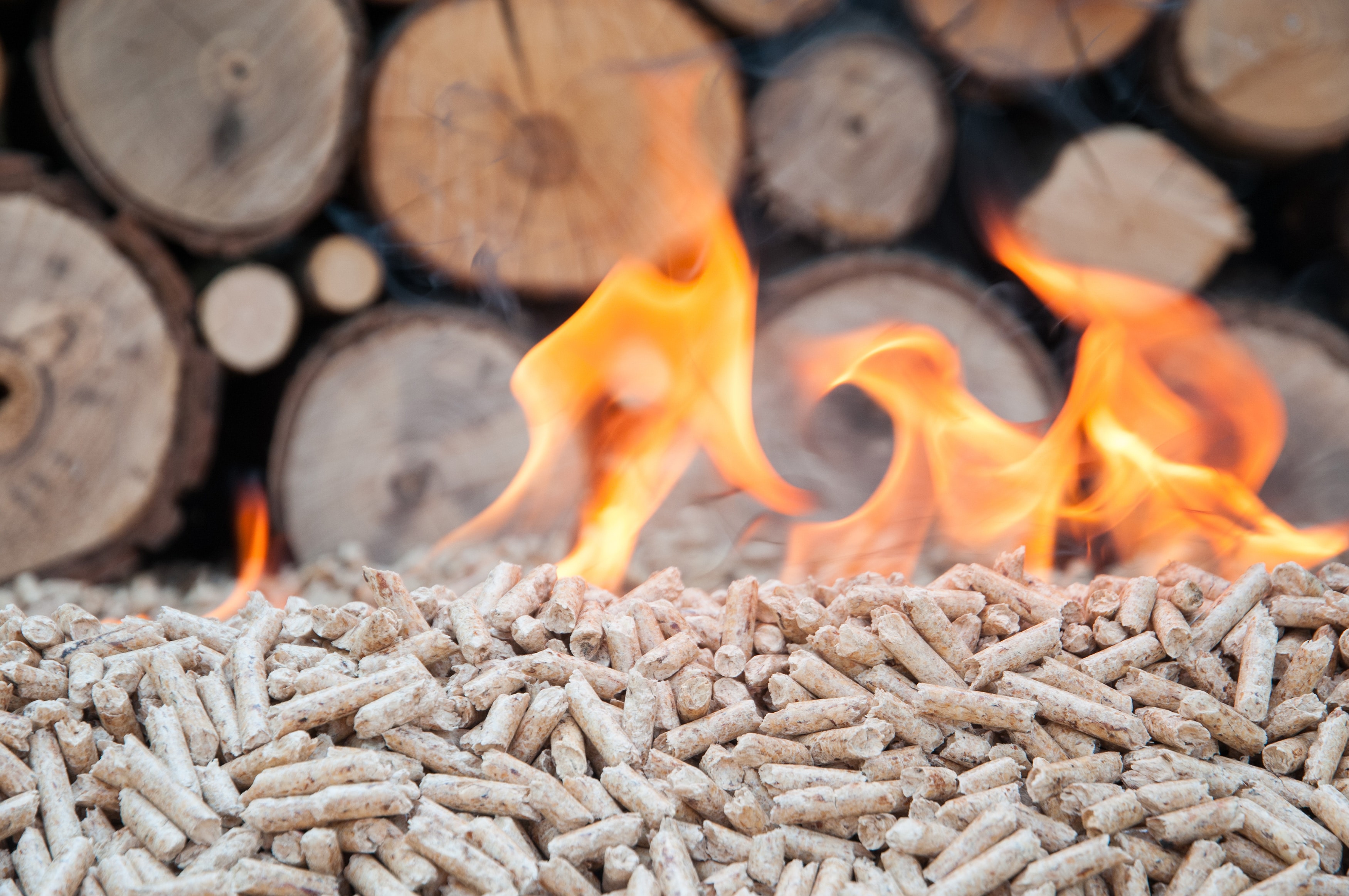
Biomass refers to any organic matter derived from plants, animals, or microorganisms. This can include wood, crop residues, agricultural waste, and dedicated energy crops. Biomass can be used for energy generation through various processes such as combustion, gasification, and anaerobic digestion.
2. Is biomass considered a renewable energy source?
Yes, biomass is generally considered a renewable energy source. This is because the organic matter used to produce biomass can be replenished through natural processes, such as the growth of plants. However, it is important to ensure that biomass is sustainably sourced and managed to maintain its renewable status.
3. How does biomass compare to fossil fuels in terms of environmental impact?
Biomass generally has lower carbon emissions compared to fossil fuels when properly managed. When biomass is burned for energy, it releases carbon dioxide (CO2) into the atmosphere. However, this CO2 can be reabsorbed by plants during their growth, creating a cycle that does not contribute to the net increase in atmospheric CO2 levels. In contrast, burning fossil fuels releases carbon that has been stored for millions of years, leading to a net increase in CO2 levels.
4. What are the benefits of using biomass for energy generation?
Using biomass for energy generation has several benefits, including:
- Reducing greenhouse gas emissions compared to fossil fuels
- Diversifying energy sources and reducing dependence on fossil fuels
- Providing a use for agricultural and forestry waste materials
- Creating opportunities for rural development and job creation
5. Are there any drawbacks or challenges associated with biomass energy?
While biomass energy has its advantages, there are also some challenges and drawbacks to consider, such as:
- The potential for unsustainable sourcing and negative impacts on land use
- The need for proper storage and handling of biomass materials
- Potential air pollution from biomass combustion
- The competition for land and resources with food production
6. Can biomass energy be used on a large scale to meet global energy demands?
Biomass energy has the potential to play a significant role in meeting global energy demands. However, there are limitations to its scalability. The sustainable production and sourcing of biomass feedstocks, as well as potential land use conflicts and infrastructure requirements, need to be carefully considered for large-scale implementation.
7. How does biomass compare to other renewable energy sources like solar and wind?
Biomass, solar, and wind are all renewable energy sources but differ in terms of their advantages and limitations. Biomass can provide a stable and dispatchable energy supply, which means it can generate electricity continuously and be relied upon for baseload power. Solar and wind energy, on the other hand, are intermittent sources and depend on weather conditions for production.
8. Is biomass energy economically viable compared to other forms of energy?
The economic viability of biomass energy depends on factors such as biomass availability, transportation costs, technology efficiency, and government incentives. In some cases, biomass energy can be economically competitive with other forms of energy, especially in areas with abundant biomass resources.
9. Are there any alternatives to biomass for renewable energy generation?
Yes, there are several alternatives to biomass for renewable energy generation, including:
- Solar energy: Harnessing the power of sunlight using photovoltaic panels or solar thermal systems.
- Wind energy: Utilizing wind turbines to convert the kinetic energy of wind into electricity.
- Hydropower: Generating electricity from the kinetic energy of flowing or falling water.
- Geothermal energy: Tapping into the heat stored beneath the Earth's surface for power generation.
10. How can the sustainability of biomass energy be ensured?
The sustainability of biomass energy can be ensured through various measures, such as:
- Adhering to certification schemes and standards for sustainable biomass sourcing
- Promoting responsible land management practices
- Investing in research and development for more efficient biomass conversion technologies
- Implementing policies and regulations that promote sustainable biomass use
11. What is the role of biomass in reducing carbon emissions and combating climate change?
Biomass can play a role in reducing carbon emissions and combating climate change by displacing fossil fuels in various sectors, such as electricity generation and heating. When biomass is sustainably sourced and managed, it can result in lower net carbon emissions compared to fossil fuel alternatives.
12. What are the future prospects and developments in biomass energy?
The future of biomass energy holds potential for advancements in technology, improved sustainability practices, and increased efficiency. Ongoing research and development efforts aim to enhance biomass conversion processes, explore new feedstocks, and optimize the integration of biomass with other renewable energy sources.
In conclusion, biomass is generally considered a renewable energy source with the potential to contribute to global sustainability goals. However, it is crucial to address sustainability challenges, maintain responsible sourcing practices, and balance biomass use with considerations for land use, resource competition, and environmental impacts. With proper management, biomass energy can play a role in reducing carbon emissions, diversifying energy sources, and fostering sustainable development.