how is biomass energy released

Biomass Renewable Energy - Envar Composting Limited
Image:

- What is biomass renewable energy?
- Biomass energy can be derived from various sources, including wood pellets, agricultural residues, and dedicated energy crops.
- It is a form of renewable energy as the organic materials used for biomass production can be replenished through sustainable practices.
- Biomass energy offers a viable alternative to fossil fuels, reducing greenhouse gas emissions and dependence on non-renewable resources.
- How is biomass energy generated?
- In combustion, organic materials are burned to produce heat, which can be used directly or converted into electricity through steam turbines.
- Gasification involves heating biomass to high temperatures in the presence of controlled amounts of oxygen or steam, producing a gas that can be used for electricity generation or fuel synthesis.
- Anaerobic digestion utilizes microorganisms to break down organic waste, producing biogas that can be used for heating or electricity production.
Biomass renewable energy refers to energy derived from organic materials, such as wood, crops, agricultural residues, and organic waste. These materials are used to produce heat, electricity, or fuel, providing a sustainable and environmentally friendly energy source.
Biomass energy is generated through various processes, such as combustion, gasification, and anaerobic digestion.
Reasons Why Biomass Energy Should Be a Top Choice - REURASIA
Image: 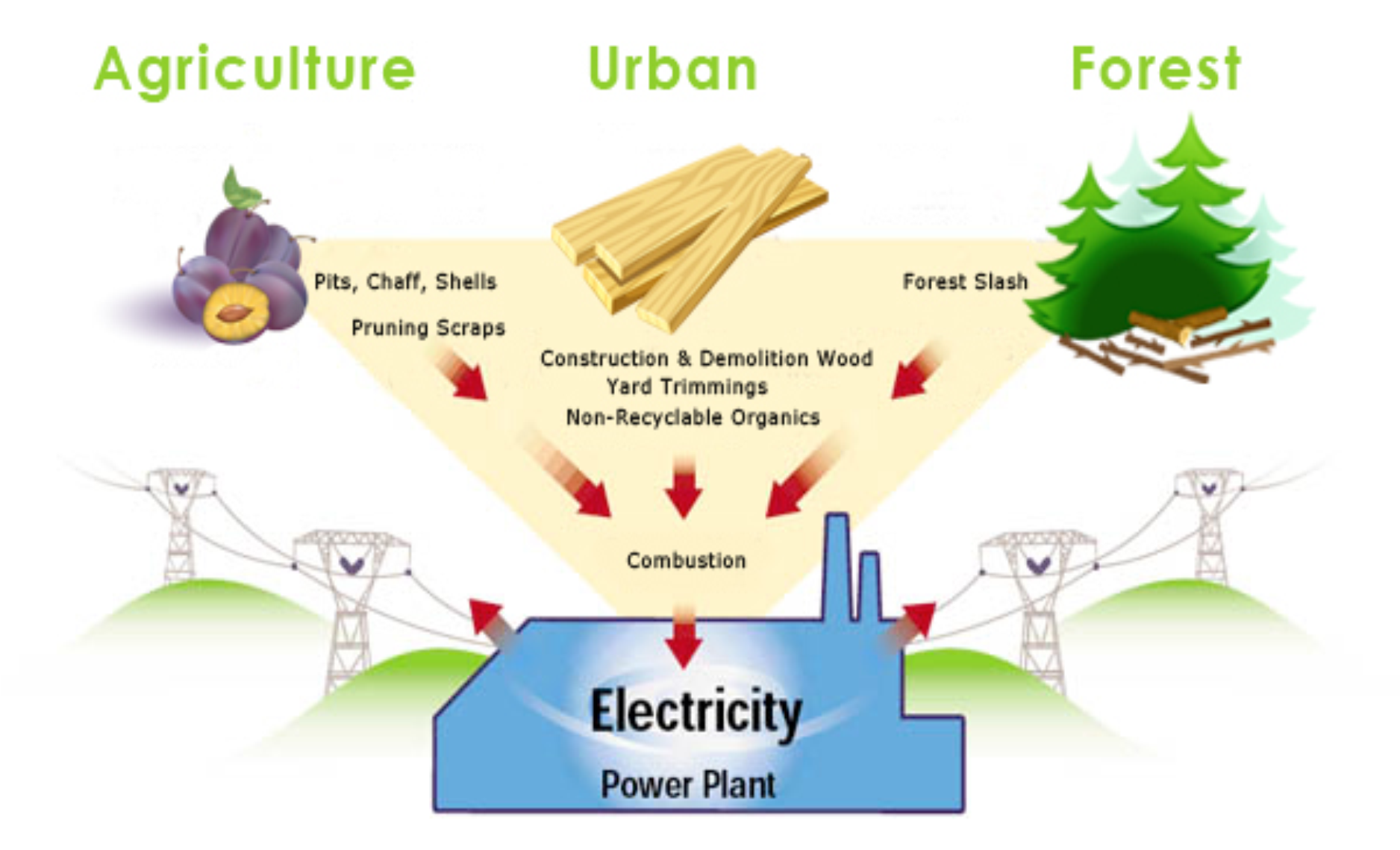
- What are the benefits of biomass energy?
- Biomass is a renewable energy source, as organic materials used for its production can be regrown or replenished.
- Biomass energy helps to reduce greenhouse gas emissions compared to fossil fuels, contributing to climate change mitigation.
- Biomass provides a decentralized energy solution, allowing communities and individual users to generate their own energy and reduce dependency on centralized grids.
- Biomass energy production offers economic opportunities, including job creation and local economic development.
- Biomass can be sourced from various organic waste materials, promoting waste management and reducing landfill volumes.
- What are the main uses of biomass energy?
- Heat production: Biomass can be burned to produce heat, used for residential, commercial, and industrial purposes, such as space heating and water heating.
- Electricity generation: Biomass can be converted into electricity through various technologies, including combustion, gasification, and anaerobic digestion.
- Transportation fuel: Biomass can be processed into biofuels, such as ethanol and biodiesel, which can be used as a renewable alternative to fossil fuels.
- Is biomass energy sustainable?
- Sustainable feedstock: Biomass should be sourced from managed forests, sustainable agriculture practices, or organic waste materials to ensure the long-term availability of resources.
- Efficient utilization: Biomass energy systems should be designed and operated with high efficiency to maximize energy output and minimize waste.
- Emission reduction: Implementing emission control technologies and adhering to strict environmental regulations help minimize any negative environmental impact.
- Biomass energy should be integrated with other renewable energy sources to create a diversified and sustainable energy mix.
There are several advantages to utilizing biomass energy:
Biomass energy has versatile applications:
Yes, biomass energy is considered sustainable when produced and utilized responsibly:
By addressing these frequently asked questions, we hope to provide a comprehensive understanding of biomass renewable energy. It offers an environmentally friendly and sustainable alternative to traditional fossil fuels, contributing to a greener future.