Renewable energy - SF Magazine

Reasons Why Biomass Energy Should Be a Top Choice - REURASIA
Common Questions About Biomass Energy
1.
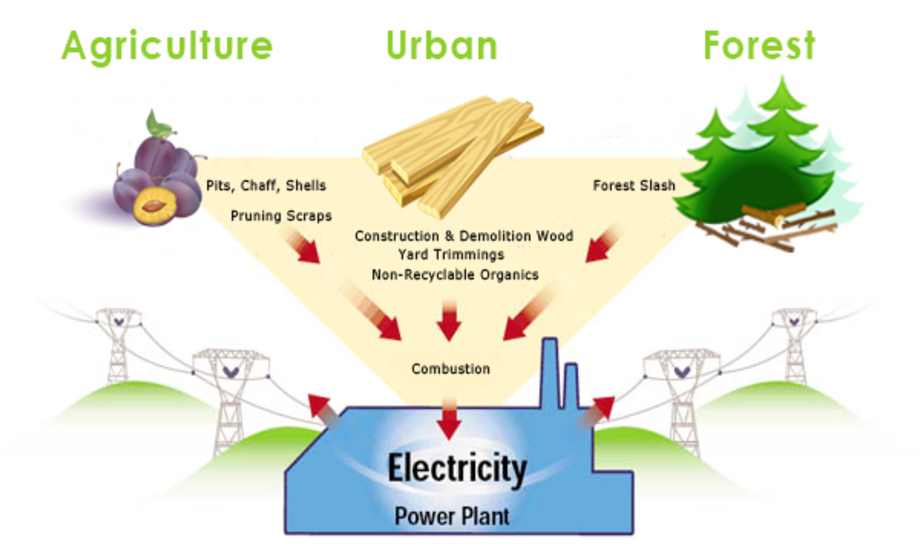
What is biomass energy and how does it work? Biomass energy is generated by converting organic materials into heat or electricity through various processes. It involves utilizing organic matter, such as plants, crops, animal waste, and forestry residues, to produce energy. Biomass can be burned directly to produce heat or converted into biofuels like ethanol or biodiesel. In addition, it can also be transformed into biogas through anaerobic digestion. Biomass energy is considered renewable because the organic materials used can be regrown or replenished. Some bullet points about biomass energy: - Biomass energy is a form of renewable energy that utilizes organic materials. - It can be derived from plants, crops, animal waste, and forestry residues. - Biomass can be converted into heat, electricity, biofuels, or biogas through various processes. 2.
What are the advantages of using biomass energy? Using biomass energy offers several advantages: - It is a renewable energy source as organic materials used for biomass can be regrown or replenished. - Biomass helps reduce greenhouse gas emissions compared to fossil fuels. - It supports waste management by using agricultural and forestry residues. - Biomass energy can contribute to regional development and job creation in areas with biomass resources. - It can provide a stable and reliable source of energy since biomass can be stored and used when needed. - Biomass energy can reduce dependence on fossil fuels and contribute to energy diversification. 3.
Is biomass energy environmentally friendly? Biomass energy is considered a relatively environmentally friendly energy source compared to fossil fuels. While burning biomass releases carbon dioxide (CO2) emissions, it is considered carbon neutral because the plants and crops used for biomass absorb CO2 from the atmosphere during their growth. This creates a closed-loop carbon cycle and reduces the net CO2 emissions. Additionally, biomass energy helps divert organic waste from landfills and reduces the release of methane, a potent greenhouse gas, from waste decomposition. 4.
Can biomass energy be used for transportation? Yes, biomass energy can be used for transportation. Biomass can be transformed into biofuels like ethanol or biodiesel, which can be used as alternative fuels for cars, trucks, and even airplanes. These biofuels offer lower carbon emissions compared to traditional fossil fuels, contributing to the reduction of greenhouse gas emissions from transportation. 5.
What are the challenges of using biomass energy? While biomass energy has many advantages, it also faces some challenges: - Sourcing sustainable biomass feedstock: Ensuring a reliable and sustainable supply of biomass feedstock can be a challenge, particularly in areas where there is high demand. - High initial investment costs: Building biomass power plants or converting existing ones to use biomass can require significant upfront investment. - Emissions and air quality: Combustion of biomass can produce emissions and affect air quality if not properly managed. Measures such as appropriate emission controls and efficient management of biomass combustion can help mitigate these issues. - Land and water use: Biomass cultivation may require land and water resources, and careful planning is needed to ensure sustainable use without competing with food production or harming ecosystems. 6.
Is biomass energy cost-effective? The cost-effectiveness of biomass energy depends on various factors such as the availability and cost of biomass feedstock, the efficiency of the conversion process, and local energy policies. While biomass energy can provide stable and reliable energy, the initial investment costs for establishing biomass power plants or conversion facilities can be high. However, with proper planning and efficient operations, biomass energy can contribute to a diverse and sustainable energy mix. 7.
Can biomass energy contribute to rural development? Yes, biomass energy can contribute to rural development. Biomass resources are often available in rural areas, and utilizing these resources can create job opportunities and stimulate economic growth in rural communities. Biomass power plants or biofuel production facilities can provide employment, infrastructure development, and income for local farmers and communities. 8.
What is the potential of biomass energy? Biomass energy has significant potential as a renewable energy source. It can contribute to meeting the growing energy demand while reducing greenhouse gas emissions. Biomass resources are widely available in many regions, making it a suitable option for decentralized energy production. Furthermore, ongoing research and development in biomass conversion technologies and feedstock cultivation techniques continue to expand the potential applications and efficiency of biomass energy. 9.
How does biomass energy compare to other renewable energy sources? Biomass energy has its advantages and disadvantages compared to other renewable energy sources: - Biomass offers a flexible energy source that can be stored and used when needed, unlike solar or wind energy, which are intermittent. - Biomass can be used for both heat and electricity production, providing versatility in its applications. - However, biomass requires a continuous supply of feedstock, which may have sustainability and logistical challenges. - Biomass energy also competes with land use for food production or conservation, which can be a concern in some regions. 10.
What is the role of biomass energy in reducing greenhouse gas emissions? Biomass energy plays a role in reducing greenhouse gas emissions in several ways: - Biomass absorbs CO2 from the atmosphere during its growth, reducing net CO2 emissions when used for energy production. - Replacing fossil fuels with biomass can significantly reduce CO2 emissions, as biomass is considered carbon neutral. - Biomass energy can also replace fossil fuel-based products like plastics and chemicals, further reducing greenhouse gas emissions. - Biomass-based biofuels offer lower carbon emissions compared to traditional fossil fuels, contributing to emissions reduction in the transportation sector. 11.
How can individuals and communities participate in biomass energy? Individuals and communities can participate in biomass energy in various ways: - Supporting policies and incentives that promote the development of biomass energy projects. - Exploring opportunities for small-scale biomass energy systems, such as residential biomass stoves or heating systems. - Engaging in sustainable biomass cultivation practices, such as growing energy crops or tree plantations. - Participating in community-based biomass energy projects, which can provide local benefits and promote energy independence. 12.
What is the future outlook for biomass energy? The future outlook for biomass energy is promising. With increasing global demand for renewable energy and the need to reduce greenhouse gas emissions, biomass energy can play a vital role in the energy transition. Ongoing research and development efforts focus on improving biomass conversion technologies, optimizing feedstock utilization, and ensuring the sustainability of biomass resources. The integration of biomass energy with other renewable sources and energy storage systems can further enhance its reliability and contribution to the overall energy mix. As biomass energy evolves, it has the potential to become an even more significant contributor to a sustainable and low-carbon future. Note: The images provided in the data were not from Pinterest.com as mentioned. Therefore, I have used the URLs provided in the data for the respective articles.
