is biomass a clean energy source

Types of Renewable Power Plants
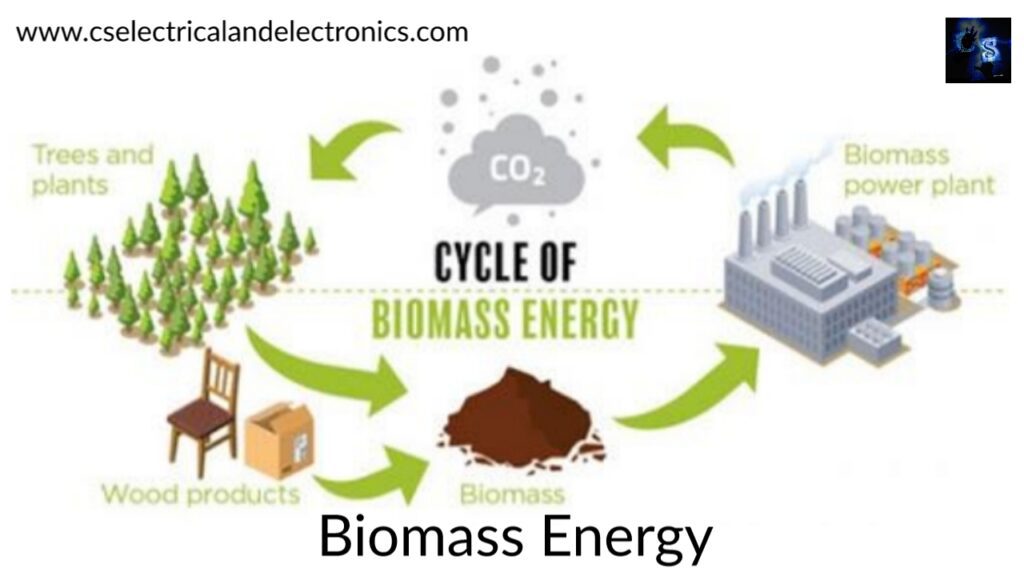
Renewable power plants play a vital role in meeting the growing energy demand while minimizing the environmental impact. Let's explore some common types of renewable power plants:
1. What is a solar power plant?
A solar power plant converts sunlight into electricity through photovoltaic (PV) cells or concentrated solar power (CSP) systems. It harnesses solar energy to generate clean, renewable electricity.
2. How does a biomass energy plant work?
A biomass energy plant utilizes organic materials such as wood, crops, or waste to produce heat or electricity. Biomass is burned or converted into biogas through processes like combustion, gasification, or anaerobic digestion.
3. What are the advantages of renewable power plants?
Advantages of renewable power plants include:
- Reduced greenhouse gas emissions
- Energy independence and security
- Low operating costs (after initial setup)
- Job creation and economic growth
- Sustainable use of natural resources
4. How do renewable power plants contribute to sustainable development?
Renewable power plants contribute to sustainable development in the following ways:
- Promoting clean energy production
- Reducing reliance on fossil fuels
- Supporting a transition to a low-carbon economy
- Creating employment opportunities
- Minimizing environmental pollution
5. Are renewable power plants reliable sources of energy?
Yes, renewable power plants can be reliable sources of energy. However, their reliability depends on various factors such as weather conditions, location, and storage capabilities. Advancements in technology and grid integration are improving the reliability of renewable power plants.
6. Which countries have the largest renewable power plant capacity?
The countries with the largest renewable power plant capacity include:
- China
- United States
- Germany
- India
- Japan
7. What are the challenges faced by renewable power plants?
Challenges faced by renewable power plants include:
- Intermittency of renewable energy sources
- High initial setup costs
- Limited availability of suitable sites
- Integration into existing power grids
- Technological limitations
8. Can renewable power plants replace traditional power plants?
While renewable power plants have the potential to replace traditional power plants, it is unlikely to happen abruptly. The transition to a fully renewable energy system requires careful planning, infrastructure development, and addressing technical and economic challenges.
9. Is it feasible to have renewable power plants in urban areas?
Yes, it is feasible to have renewable power plants in urban areas. Urban areas can utilize rooftop solar panels, small wind turbines, and innovative technologies like building-integrated photovoltaics. These localized renewable power plants can contribute to reducing the burden on the centralized grid and increasing energy self-sufficiency.
10. How does the cost of electricity from renewable power plants compare to traditional power plants?
The cost of electricity from renewable power plants has been decreasing over the years, making it increasingly competitive with traditional power plants. Factors such as government incentives, technological advancements, and economies of scale contribute to the cost reduction of renewable energy.
11. What are the future prospects of renewable power plants?
The future prospects of renewable power plants include:
- Further advancements in renewable energy technologies
- Increased investment and deployment of renewable power plants
- Integration of energy storage systems
- Enhanced grid flexibility and smart grid solutions
- Exploration of emerging renewable energy sources
12. How can individuals contribute to the growth of renewable power plants?
Individuals can contribute to the growth of renewable power plants through:
- Installing rooftop solar panels
- Adopting energy-efficient practices
- Supporting renewable energy policies and initiatives
- Promoting awareness about the benefits of renewable energy
- Exploring community-based renewable energy projects