how reliable is biomass energy

What is biomass fuel?

Biomass fuel refers to organic materials, such as wood, crop residues, and manure, that can be used as a source of energy. These materials are often processed and burned in biomass power plants to produce heat, electricity, or both. Biomass fuel is considered a renewable energy source because it comes from living or recently living organisms, which can be replenished over time.
Key points:
- Biomass fuel is derived from organic materials such as wood, crop residues, and manure.
- It is used as a source of energy in biomass power plants.
- Biomass fuel is considered environmentally friendly and renewable.
- It can be used to generate heat, electricity, or both.
Why do biomass generators need contract management technology?
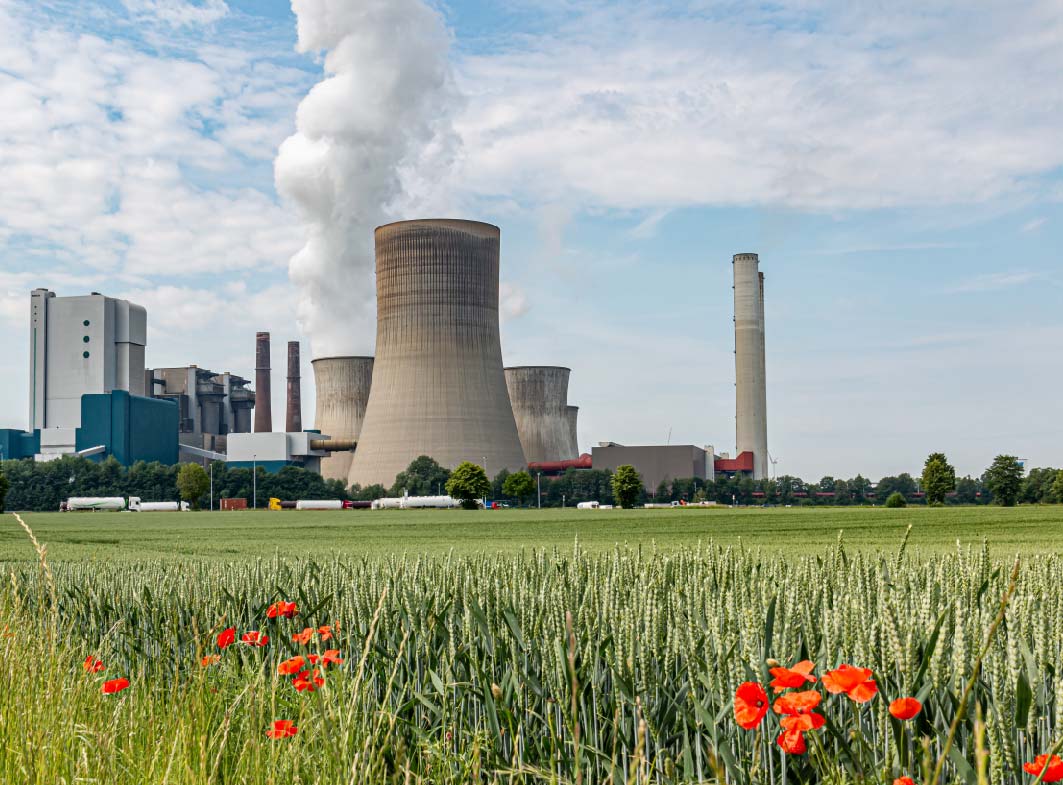
Biomass generators require contract management technology to efficiently handle the complex agreements and contracts involved in their operations. This technology helps streamline and automate the contract management process, ensuring that all parties involved are on the same page and that the necessary contractual obligations are met. It eliminates manual processes and reduces the risk of errors or misunderstandings that can arise from manually managing contracts.
Key points:
- Contract management technology is essential for biomass generators to handle complex agreements and contracts.
- It helps streamline and automate the contract management process.
- By using this technology, biomass generators can ensure that contractual obligations are met.
- It eliminates manual processes, reducing the risk of errors or misunderstandings.
What are the benefits of using biomass fuel?
Biomass fuel offers several benefits as a renewable energy source:
- Reduces greenhouse gas emissions: Biomass fuel, when burned, releases carbon dioxide, but the carbon emitted is part of the natural carbon cycle. It does not contribute to an overall increase in greenhouse gas emissions.
- Renewable and sustainable: Biomass fuel comes from organic materials that can be replenished over time, making it a sustainable energy source.
- Waste reduction: Utilizing biomass fuel helps manage and repurpose organic waste materials that would otherwise be disposed of in landfills.
- Energy independence: Biomass fuel reduces dependence on fossil fuels, promoting energy independence and diversification.
- Supports local communities: Biomass fuel production and usage can create jobs and support local economies, particularly in rural areas.
How is biomass fuel used to generate heat and electricity?
Biomass fuel is used to generate heat and electricity through the following processes:
- Combustion: Biomass materials, such as wood pellets or agricultural residues, are burned in biomass boilers or furnaces. The heat produced is then used to generate steam, which drives a turbine connected to an electricity generator. The steam can also be used for heating purposes.
- Gasification: Biomass is converted into a combustible gas through a process called gasification. The gas is then used to fuel an internal combustion engine or a gas turbine, which generates electricity.
- Anaerobic digestion: Organic waste materials, such as manure or agricultural residues, are processed in anaerobic digesters. This process produces biogas, which can be burned to generate heat or run a generator to produce electricity.
Is biomass fuel environmentally friendly?
Biomass fuel is generally considered to be environmentally friendly due to its renewable nature and positive carbon cycle impact. However, there are certain considerations to keep in mind:
- Emissions: Burning biomass fuel releases carbon dioxide and other pollutants. While the carbon released is part of the natural carbon cycle, it can contribute to localized air pollution if not properly controlled.
- Sourcing: The sustainability of biomass fuel depends on responsible sourcing. Biomass should be obtained from well-managed forests or agricultural waste streams to avoid negative impacts on ecosystems.
- Transportation: The transportation of biomass fuel can contribute to carbon emissions and environmental impact. Locally sourced biomass is preferable to minimize transportation distances.
How does biomass fuel compare to fossil fuels?
When compared to fossil fuels, biomass fuel has several advantages:
- Renewability: Biomass fuel is derived from organic materials, which can be replenished over time. Fossil fuels, on the other hand, are finite resources that take millions of years to form.
- Carbon neutrality: While burning biomass fuel releases carbon dioxide, it is considered carbon neutral because the carbon emitted is from recently absorbed atmospheric carbon dioxide. Fossil fuels release carbon dioxide that has been sequestered underground for millions of years, contributing to climate change.
- Local availability: Biomass fuel can be produced locally, reducing dependence on imported fossil fuels and promoting regional energy independence.
- Waste management: Biomass fuel utilizes organic waste materials, repurposing them for energy production and reducing the amount of waste sent to landfills.
- However, it's important to note that biomass fuel also has some limitations, such as its lower energy density compared to fossil fuels, which can affect efficiency and storage requirements.
What are the challenges of using biomass fuel?
While biomass fuel has several benefits, there are also challenges associated with its use:
- Feedstock availability: Ensuring a consistent and sustainable supply of biomass feedstock can be challenging, especially in areas with limited biomass resources.
- Storage and logistics: Biomass fuel has lower energy density compared to fossil fuels, requiring larger storage volumes. Additionally, the transportation and logistics of biomass feedstock can be complex.
- Emissions control: Burning biomass fuel can release pollutants into the air, including particulate matter and nitrogen oxides. Proper emissions control technologies must be in place to minimize these emissions.
- Upfront costs: The initial capital investment for biomass power plants and equipment can be high, making it a barrier for some potential adopters.
- Efficiency and scalability: Biomass conversion processes, such as combustion and gasification, may have lower efficiency compared to traditional fossil fuel power plants. Scaling up biomass operations while maintaining efficiency can be a challenge.
How does the cost of biomass fuel compare to other energy sources?
The cost of biomass fuel depends on various factors, including feedstock availability, transportation costs, and technological advancements. Generally, biomass fuel can be competitive with other energy sources, especially in areas with abundant biomass resources. However, it's important to consider the long-term cost-effectiveness, including potential government incentives and the volatile nature of fossil fuel prices.
Are there any government incentives or subsidies for biomass fuel?
Many governments around the world provide incentives or subsidies to promote the use of biomass fuel as a renewable energy source. These incentives can include grants, tax credits, feed-in tariffs, and renewable energy certificates. The specific programs and eligibility requirements vary by country and region. Government support can help make biomass fuel more economically viable and encourage its adoption.
What is the future outlook for biomass fuel?
The future of biomass fuel looks promising as countries strive to reduce their reliance on fossil fuels and transition towards cleaner, more sustainable energy sources. Advancements in technology, such as improved biomass conversion processes and more efficient power generation, are making biomass fuel increasingly viable. However, it's crucial to prioritize responsible sourcing, emissions control, and economic feasibility to ensure the long-term sustainability of biomass fuel as a renewable energy option.
How does the usage of biomass fuel impact rural communities?
The usage of biomass fuel can have positive impacts on rural communities:
- Job creation: Biomass fuel production and usage can create local job opportunities, particularly in areas where biomass resources are abundant.
- Community development: Biomass power plants and related facilities can stimulate economic growth in rural communities, supporting local businesses and infrastructure.
- Energy independence: Biomass fuel reduces reliance on imported energy resources and can enhance energy security in rural areas.
- Alternative revenue streams: Biomass fuel production can diversify the income sources of farmers and forest owners by providing additional revenue from selling biomass feedstock.
- It's important to ensure that biomass operations are conducted sustainably and with consideration for environmental and social impacts.
How does biomass fuel contribute to waste reduction?
Biomass fuel helps reduce waste by utilizing organic materials that would otherwise be discarded:
- Agricultural residues: Biomass fuel production utilizes residues from crop harvesting, such as corn stover or wheat straw, preventing them from being left to decompose in the fields.
- Forest residues: By utilizing forest residues like branches and treetops, biomass fuel production helps manage post-logging waste and reduce the risk of forest fires.
- Organic waste: Biomass digesters can process organic waste materials like manure, food waste, or wastewater sludge, converting them into biogas and reducing the volume of waste sent to landfills.
- By repurposing these organic materials for energy production, biomass fuel contributes to waste reduction and supports a circular economy approach.