how is biomass energy captured

Nos activités avec le bois - Boisseau Energies
Biomass Renewable Energy - Envar Composting Ltd
12 Most Asked Questions about Biomass Renewable Energy
1. What is biomass renewable energy?
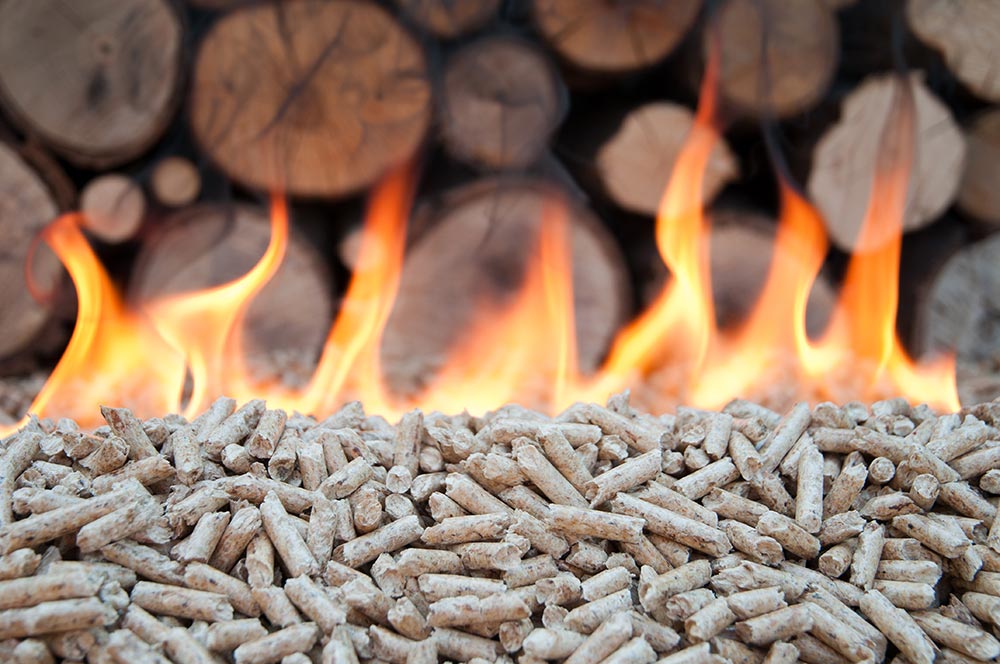
Biomass renewable energy refers to the energy produced from organic materials, such as wood, plants, agricultural waste, and other biological sources. It involves utilizing the energy stored in these biomass resources to generate heat and electricity through processes like combustion or gasification.
Comprehensive answer:
- Biomass renewable energy is a sustainable and environmentally friendly alternative to fossil fuels.
- It helps reduce greenhouse gas emissions and dependence on finite resources.
- Various biomass sources can be used, including forest residues, energy crops, and organic waste.
- Through combustion or gasification, biomass fuels are converted into heat or biogas, which can be used to generate electricity or heat buildings.
- Biomass renewable energy plays a significant role in reducing carbon emissions and meeting renewable energy targets.
- Boisseau Energies is a company actively involved in biomass energy, offering sustainable solutions for heating and electricity generation.
- Case study: Boisseau Energies has successfully implemented biomass heating systems in commercial and residential buildings, reducing carbon footprints and providing cost-effective energy solutions.
2. How is biomass renewable energy different from fossil fuels?

Biomass renewable energy differs from fossil fuels in several ways:
Comprehensive answer:
- Biomass is derived from organic materials and is considered carbon-neutral, as the carbon released during combustion is offset by the carbon absorbed by plants during their growth.
- Fossil fuels, such as coal, oil, and natural gas, are formed from ancient organic matter over millions of years and release carbon dioxide when burned, contributing to climate change.
- Biomass energy can be sustainably sourced and continuously replenished through proper forest management and cultivation of energy crops.
- Fossil fuels are finite resources and contribute to environmental degradation and air pollution.
- Switching to biomass renewable energy helps reduce greenhouse gas emissions and promotes a cleaner and more sustainable energy future.
3. What are the advantages of biomass renewable energy?
Biomass renewable energy offers several advantages:
Comprehensive answer:
- Biomass is abundant and widely available, making it a reliable and domestic source of renewable energy.
- Biomass energy production can help revitalize rural economies by creating jobs in forestry, agriculture, and the production and maintenance of biomass facilities.
- It reduces dependence on fossil fuels and helps mitigate climate change by reducing carbon emissions.
- Biomass energy can be used for various applications, including heat and electricity generation, as well as biofuels for transportation.
- Using biomass waste materials helps divert organic waste from landfills, reducing methane emissions.
- It provides a versatile and flexible energy solution that can be integrated with existing infrastructure and technologies.
- Study case: Envar Composting Ltd has successfully utilized biomass renewable energy to power their composting facilities, reducing operating costs and environmental impact.
4. How does biomass renewable energy contribute to sustainability?
Biomass renewable energy plays a vital role in achieving sustainability goals:
Comprehensive answer:
- Using biomass energy helps reduce greenhouse gas emissions and mitigates climate change.
- It promotes the use of renewable resources and reduces dependence on fossil fuels.
- Biomass energy can contribute to a circular economy by utilizing organic waste materials that would otherwise end up in landfills.
- Proper forest management and cultivation of energy crops for biomass production can improve land use and biodiversity.
- By providing a sustainable energy source, biomass renewable energy supports the transition to a low-carbon and resilient future.
- Bullet point: Government policies and incentives have been implemented to encourage the adoption of biomass renewable energy.
- Bullet point: Research and development efforts focus on improving biomass conversion technologies and optimizing energy production.
5. Are there any challenges or drawbacks to biomass renewable energy?
While biomass renewable energy has numerous benefits, it also faces certain challenges:
Comprehensive answer:
- Biomass availability and sourcing can be geographically limited, leading to transport and logistical challenges.
- Competing uses for biomass, such as food or feed, can create conflicts and raise ethical considerations.
- Biomass energy production requires proper handling and management to ensure sustainable sourcing and prevent environmental impacts.
- Combustion of biomass can produce air pollutants and particulate matter, although modern technologies aim to minimize these emissions.
- Investment and infrastructure costs for biomass energy systems can be higher compared to traditional fossil fuel-based systems.
- Policies and regulations governing biomass energy may vary between countries, impacting the industry's growth and stability.
- Case study: Research is ongoing to address challenges and innovate in biomass energy, such as developing cleaner combustion technologies and exploring advanced conversion methods.
6. How does biomass renewable energy impact the environment?
Biomass renewable energy has both positive and negative environmental impacts:
Comprehensive answer:
- Positive impacts include reduced carbon emissions, as biomass plants absorb and offset atmospheric CO2 during their growth.
- Biomass energy can help reduce reliance on fossil fuels and decrease overall air pollution and smog formation.
- Using biomass waste materials diverts organic waste from landfills, reducing methane emissions.
- Proper forest management and cultivation of energy crops for biomass production promote land conservation and biodiversity.
- Negative impacts can include the release of air pollutants and particulate matter from biomass combustion, although improved technologies aim to minimize these emissions.
- Improper handling and sourcing of biomass can lead to deforestation, habitat destruction, and soil degradation.
- Overall, sustainable and responsible practices are necessary for biomass renewable energy to have a positive environmental impact.
- Bullet point: Biomass energy should be part of a diverse energy mix that includes other renewable sources like solar, wind, and hydro power.
7. How can individuals and communities benefit from biomass renewable energy?
Biomass renewable energy offers several benefits for individuals and communities:
Comprehensive answer:
- Utilizing biomass energy can lead to local economic development by creating job opportunities in biomass production, forestry, and facility operation.
- It can provide a stable and affordable source of heat and electricity, particularly for rural and remote areas.
- Using biomass waste materials for energy reduces the need for landfill space, contributing to a cleaner and healthier living environment.
- Biomass energy can enhance energy independence and resilience by diversifying the energy supply and reducing dependence on imported fuels.
- Communities can develop co-operative biomass projects, fostering collaboration and local ownership of renewable energy resources.
- Case study: In certain regions, biomass district heating systems have been implemented, providing reliable and cost-effective heating solutions to homes, businesses, and public buildings.
8. How can biomass renewable energy contribute to a more sustainable agriculture?
Biomass renewable energy can have positive impacts on agriculture:
Comprehensive answer:
- Energy crops, such as fast-growing grasses or trees, can be cultivated as a source of biomass, providing an additional income stream for farmers.
- Using biomass waste materials for energy reduces the need for chemical fertilizers and pesticides, promoting organic and sustainable farming practices.
- Biomass energy production can utilize agricultural residues, such as crop stalks or straw, reducing waste and improving resource efficiency.
- Investments in biomass energy can support rural communities, enabling farmers to diversify their income and contribute to local economic development.
- Bullet point: Sustainable agricultural practices should be implemented to ensure responsible sourcing of biomass and minimize environmental impacts.
9. Does biomass renewable energy have the potential to replace fossil fuels entirely?
While biomass renewable energy can play a significant role in the transition to clean energy, it is unlikely to completely replace fossil fuels:
Comprehensive answer:
- Due to limited biomass availability and the need for sustainable sourcing, it may not be feasible to scale up biomass energy production to replace all fossil fuel consumption.
- A diverse energy mix, including solar, wind, hydro, and geothermal sources, is necessary to achieve a sustainable, low-carbon energy system.
- Certain sectors, such as aviation or heavy industry, may require alternative decarbonization strategies beyond biomass energy.
- Biomass renewable energy should be part of a broader strategy that aims to significantly reduce overall energy consumption and increase energy efficiency.
- Bullet point: Ongoing research and development in biomass energy technologies can further improve its efficiency and environmental performance.
- Bullet point: Investing in research on advanced biofuels and bioproducts derived from biomass can contribute to a more sustainable and circular economy.
10. How is the biomass renewable energy industry regulated?
The biomass renewable energy industry is subject to various regulations and policies:
Comprehensive answer:
- Government regulations govern the sourcing, production, and use of biomass fuels to ensure sustainability, environmental protection, and public safety.
- Emissions standards and air quality regulations regulate the combustion of biomass to minimize air pollutants and protect human health.
- Feed-in tariffs, tax incentives, and renewable energy targets incentivize the growth and development of biomass renewable energy.
- Environmental impact assessments and permitting processes ensure that biomass facilities comply with regulations and minimize potential negative impacts.
- Biomass sustainability certifications, such as the Roundtable on Sustainable Biomaterials (RSB), provide guidelines and best practices for responsible biomass sourcing.
- Government bodies or agencies oversee compliance and enforcement, monitoring the industry's adherence to regulations.
11. How can governments promote the adoption of biomass renewable energy?
Governments can play a crucial role in promoting the adoption of biomass renewable energy:
Comprehensive answer:
- Implementing supportive policies and regulations that provide incentives and remove barriers to biomass energy deployment.
- Offering financial incentives, such as grants, subsidies, or tax credits, to encourage investment in biomass energy projects.
- Setting renewable energy targets and fostering collaboration between public and private sectors to achieve these goals.
- Investing in research and development to improve biomass conversion technologies and address challenges associated with biomass energy.
- Supporting education and awareness campaigns to inform the public about the benefits and potential of biomass renewable energy.
- Bullet point: Governments can collaborate with international organizations and stakeholders to develop globally recognized sustainability standards for biomass energy.
12. What is the future outlook for biomass renewable energy?
The future of biomass renewable energy looks promising:
Comprehensive answer:
- As society moves towards decarbonization and a more sustainable energy future, biomass renewable energy will continue to play a significant role.
- Advancements in biomass conversion technologies can improve efficiency, reduce emissions, and expand the range of biomass feedstocks.
- Innovations in bioenergy systems, such as combined heat and power (CHP) and anaerobic digestion, offer additional opportunities for biomass utilization.
- Integration of biomass energy with other renewable sources, energy storage, and smart grid technologies can create a more reliable and resilient energy system.
- Bullet point: Continued research and development, along with supportive policies and investments, will drive the growth and maturation of the biomass renewable energy sector.
Overall Article: Exploring Biomass Renewable Energy for a Sustainable Future
Renewable energy sources are vital in the transition towards a more sustainable and low-carbon future. Among these sources, biomass renewable energy stands out for its versatility and potential. By harnessing the energy stored in organic materials such as wood, plants, and agricultural waste, biomass energy offers a clean and renewable alternative to fossil fuels.
Biomass renewable energy plays a significant role in reducing greenhouse gas emissions and mitigating climate change. Through responsible sourcing and efficient conversion technologies, biomass energy can provide heat and electricity, as well as valuable biofuels for transportation. Additionally, biomass energy helps drive local economic development, creates jobs, and reduces reliance on imported fuels.
However, biomass renewable energy also presents challenges and considerations. Careful management of biomass resources is essential to prevent deforestation, habitat destruction, and soil degradation. Emissions from biomass combustion should be minimized through advanced technologies, maintaining air quality standards. Adequate regulations and certifications ensure the sustainability and environmental performance of the biomass industry.
The future outlook for biomass renewable energy is promising. Ongoing research and development efforts aim to improve efficiency, expand biomass feedstock options, and explore advanced bioenergy systems. Governments play a crucial role in promoting the adoption of biomass energy through supportive policies, financial incentives, and collaborative initiatives. By embracing biomass renewable energy alongside other renewable sources, society can move closer to a sustainable energy mix and a greener future.
As individuals, communities, and industries, we have a collective responsibility to explore and embrace renewable energy options like biomass. By doing so, we can contribute to a more sustainable and resilient planet, ensuring a better future for generations to come.