is biomass a renewable energy resource why

Is Biomass a Renewable Energy Source or a Danger to the Environment?
1. What is biomass?
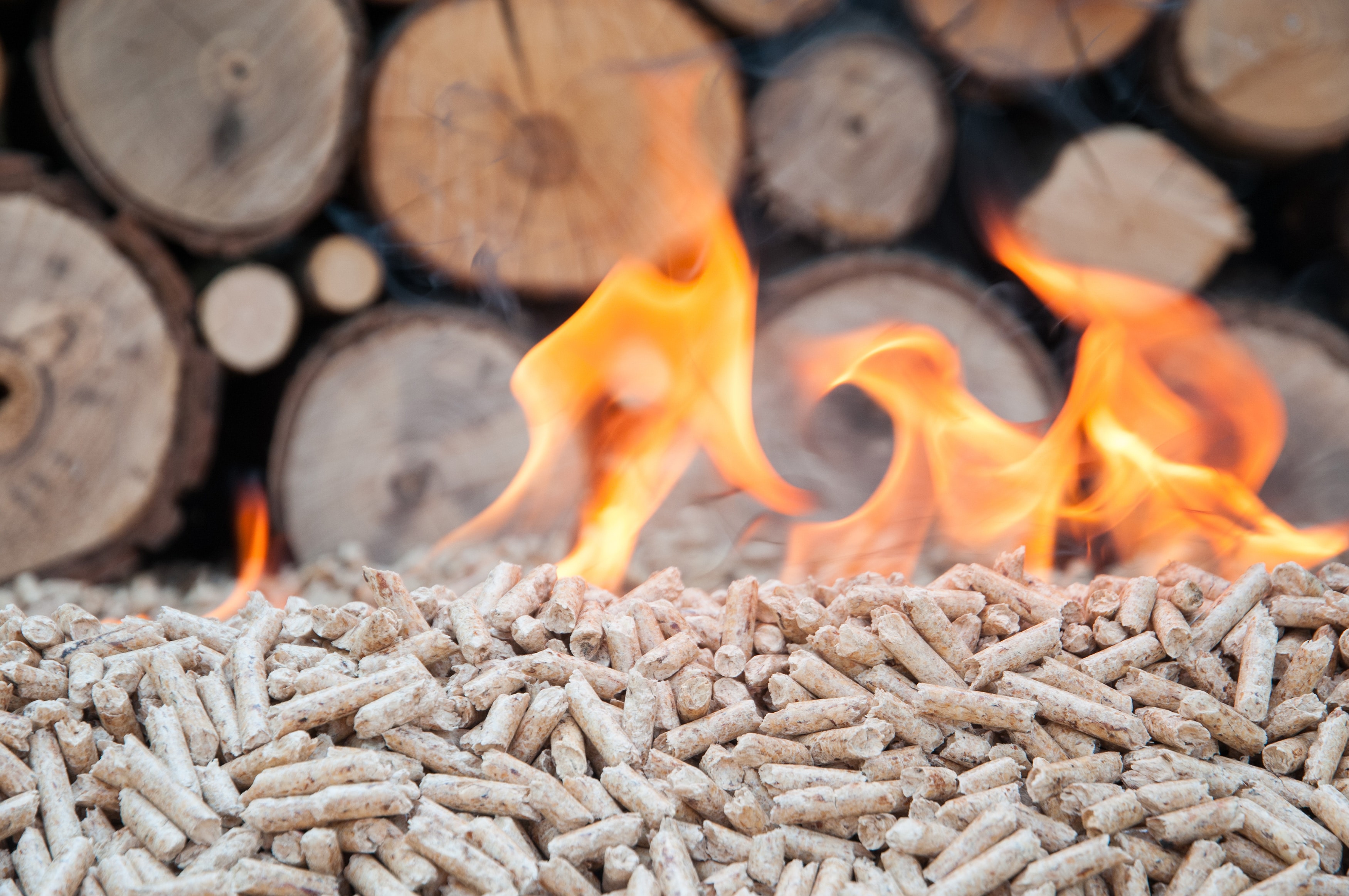
Biomass refers to organic materials derived from plants, animals, and other biological sources. It can include wood, crop residues, agricultural byproducts, and dedicated energy crops.

2. Is biomass a renewable energy source?
Yes, biomass is considered a renewable energy source. It is derived from living or recently living organisms, and through sustainable practices, these resources can be replenished over time.
3. How is biomass used as an energy source?
Biomass can be converted into energy through various processes, including:
- Combustion: Biomass can be burned directly to produce heat or used to generate electricity.
- Gasification: Biomass can be converted into a gas mixture called synthesis gas or syngas, which can be used for heating or electricity generation.
- Anaerobic Digestion: Biomass can undergo a biochemical process in which microorganisms break down organic matter and produce biogas, a mixture of methane and carbon dioxide, which can be used for heating or as a transportation fuel.
- Liquid Biofuels: Biomass can be processed into liquid fuels, such as ethanol or biodiesel, which can be used as transportation fuels.
4. What are the benefits of using biomass as a renewable energy source?
The use of biomass as a renewable energy source offers several benefits:
- Reduces greenhouse gas emissions: Biomass can be a carbon-neutral energy source, as the carbon dioxide emitted during combustion is balanced by the carbon dioxide absorbed during biomass growth.
- Reduces dependence on fossil fuels: Biomass can serve as a sustainable alternative to fossil fuels, helping to diversify energy sources and reduce reliance on non-renewable resources.
- Promotes local economic development: Biomass production and processing can create jobs and stimulate local economies, particularly in rural areas.
- Utilizes waste materials: Biomass can be derived from agricultural byproducts and waste materials, providing a valuable use for these materials and reducing waste disposal issues.
5. Are there any potential environmental concerns associated with biomass?
While biomass can be a renewable energy source, there are potential environmental concerns to consider:
- Land use and deforestation: The large-scale cultivation of energy crops for biomass production can lead to deforestation and habitat destruction if not managed sustainably.
- Air emissions: The combustion of biomass can release air pollutants, including particulate matter, carbon monoxide, nitrogen oxides, and volatile organic compounds. Proper emissions control measures are necessary to minimize these impacts.
- Water use: Biomass energy production can require significant amounts of water, particularly for irrigation of energy crops. Careful water management is important to avoid negative impacts on water resources.
6. Can biomass contribute to reducing greenhouse gas emissions?
Yes, biomass can play a role in reducing greenhouse gas emissions. When biomass is used for energy production, the carbon dioxide released during combustion is offset by the carbon dioxide absorbed by the plants during their growth cycle. This makes biomass a carbon-neutral energy source.
7. What is the current global usage of biomass as an energy source?
The global usage of biomass as an energy source varies by country and region. Some countries, particularly those with abundant biomass resources, have made significant investments in biomass energy production. For example, in certain European countries, biomass accounts for a significant portion of renewable energy generation. However, the overall share of biomass in the global energy mix is still relatively small compared to other sources such as fossil fuels and renewable technologies like wind and solar power.
8. How sustainable is biomass as an energy source?
The sustainability of biomass as an energy source depends on several factors. These include:
- Sustainable sourcing: Biomass should be sourced from well-managed forests and agricultural practices that promote biodiversity, forest health, and soil conservation.
- Efficient use: Biomass energy systems should be designed to maximize efficiency and minimize waste. This includes optimizing combustion processes and utilizing byproducts or waste materials.
- Land use considerations: The use of land for biomass production should be carefully managed to avoid negative impacts on ecosystems, food production, and water resources.
9. Can biomass replace fossil fuels entirely?
While biomass can play a role in the transition to a more sustainable energy system, it is unlikely to replace fossil fuels entirely. To meet global energy demand, a mix of renewable energy sources, including biomass, wind, solar, hydro, and geothermal, will be needed. Each energy source has its own strengths and limitations, and a diversified energy portfolio is considered the most realistic and effective approach.
10. Are there ongoing research and development efforts in the biomass energy sector?
Yes, there are ongoing research and development efforts in the biomass energy sector to enhance its efficiency, reduce environmental impacts, and explore new biomass conversion technologies. These efforts include improving combustion processes, developing advanced biofuels, and exploring the use of biomass in combination with carbon capture and storage technologies.
11. What role does policy play in promoting biomass as a renewable energy source?
Policy plays a crucial role in promoting the use of biomass as a renewable energy source. Governments can provide incentives and support for biomass energy production, such as feed-in tariffs, tax credits, and grants. They can also establish sustainability criteria and certification schemes to ensure responsible biomass sourcing and environmental protection.
12. How can individuals contribute to the sustainable use of biomass?
Individuals can contribute to the sustainable use of biomass by:
- Conserving energy: Reducing energy consumption through energy-efficient practices can minimize the demand for biomass and other energy sources.
- Choosing sustainable biomass products: When purchasing biomass products, individuals can look for certifications indicating sustainable sourcing practices.
- Supporting renewable energy policies: Individuals can advocate for government policies that promote the development and use of biomass and other renewable energy sources.