is biomass a nonrenewable energy source

Question 1: What is biomass renewable energy?

Biomass renewable energy refers to the energy derived from organic materials such as plants, agricultural waste, and forestry residues. These organic materials are known as biomass, and the energy produced from them can be used for various purposes such as generating electricity, heating, and fuel production.
Comprehensive answer from an expert:
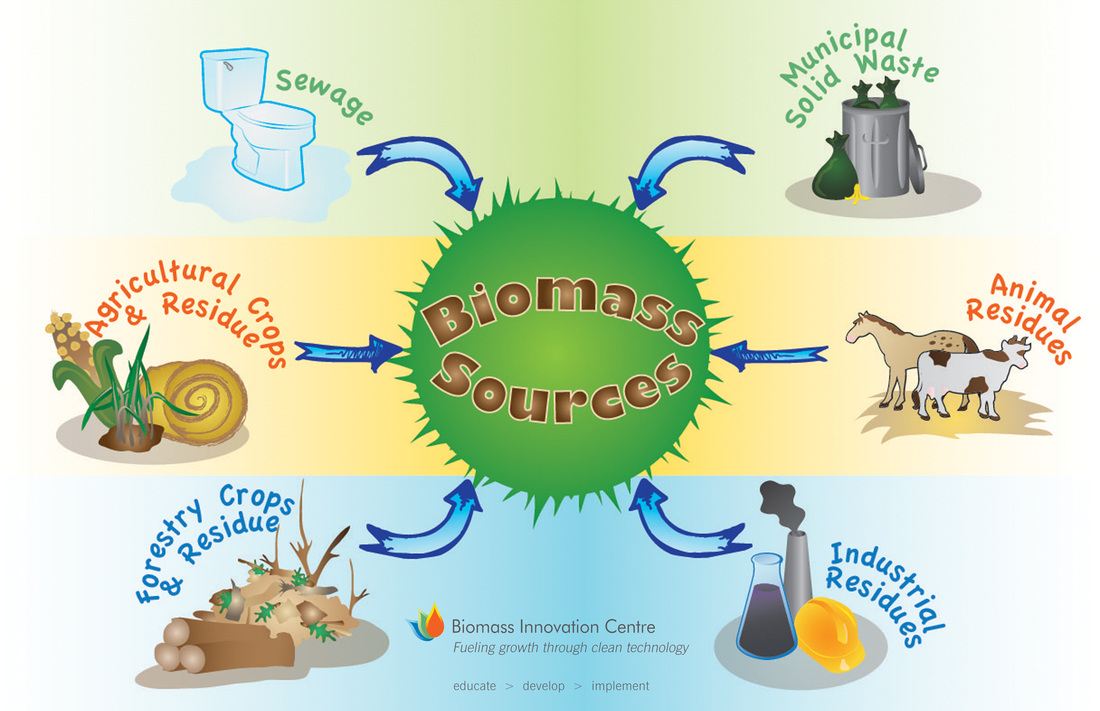
Biomass renewable energy is a sustainable and environmentally friendly energy source that helps to reduce greenhouse gas emissions and dependence on fossil fuels. It is a form of renewable energy that utilizes the natural processes of organic materials to produce heat or electricity. Biomass can be sourced from a variety of materials, including crop residues, forest residues, and dedicated energy crops.
Advantages of biomass renewable energy include:
- Reduced greenhouse gas emissions: Biomass energy produces carbon dioxide, but the plants used for biomass capture an equivalent amount of carbon dioxide during their growth, resulting in a closed carbon cycle.
- Utilization of organic waste: Biomass energy provides a solution for effectively utilizing organic waste materials, such as agricultural residues and food waste, reducing the amount of waste sent to landfills.
- Renewable and sustainable: Biomass is considered renewable as long as it is derived from sustainably managed sources. It can be continually produced and replenished through responsible forestry and agricultural practices.
- Local economic benefits: Biomass energy can contribute to the local economy by creating jobs, supporting rural communities, and reducing dependence on imported fossil fuels.
Case study:
An example of biomass renewable energy is Envar Composting Ltd, a company specializing in composting and biomass technologies. They utilize organic waste materials, such as food waste and garden waste, to produce renewable energy. This waste is processed through anaerobic digestion, a natural biological process that produces biogas, which can be used to generate electricity and heat.
Overall, biomass renewable energy offers a sustainable alternative to fossil fuels, utilizing organic materials to generate clean energy while reducing environmental impact.
Question 2: What are the advantages of biogas?
Biogas has numerous advantages, making it an attractive energy source:
Comprehensive answer from an expert:
Biogas is a renewable and sustainable energy source that is produced through the anaerobic digestion of organic matter, such as agricultural waste, food waste, and sewage sludge. Some advantages of biogas include:
- Greenhouse gas reduction: Biogas production helps reduce greenhouse gas emissions by preventing the release of methane, a potent greenhouse gas, from decomposing organic waste in landfills.
- Energy generation: Biogas can be used to generate electricity and heat, providing a renewable energy source that can be utilized for various purposes.
- Waste management: The anaerobic digestion process used to produce biogas effectively treats organic waste, reducing the volume of waste sent to landfills and minimizing environmental pollution.
- Odor control: Anaerobic digestion eliminates the foul odors associated with decomposing organic waste, making it a more desirable waste management solution for communities.
- Fertilizer production: The byproduct of biogas production, known as digestate, is a nutrient-rich fertilizer that can be used to improve soil quality and enhance crop growth.
Case study:
An example of the advantages of biogas can be seen in PluginIndia, a platform that promotes the adoption of electric vehicles and renewable energy solutions in India. They highlight the benefits of biogas as a clean and sustainable energy source that can be used for cooking, heating, and electricity generation.
In conclusion, biogas offers a range of advantages from reducing greenhouse gas emissions to providing a sustainable waste management solution and a source of renewable energy.