is biomass a renewable energy resource

Is Biomass Renewable?
Many people have questions about whether biomass is a renewable energy source. Here are some of the most frequently asked questions about this topic:
1. Is biomass considered a renewable energy source?
NLP Answer: Yes, biomass is generally considered a renewable energy source.
Expert Explanation: Biomass is derived from organic materials, such as plants, agricultural waste, and forestry by-products. These materials can be replenished over time through natural processes, making biomass a renewable energy source.
- Biomass is generated from organic waste, reducing the need for landfills and preventing methane emissions.
- It is a carbon-neutral energy source as the carbon released during combustion is equal to the carbon absorbed during the growth of biomass feedstocks.
- Biomass can be sustainably managed to promote forest health and wildlife habitat.
- It provides an alternative to fossil fuels, reducing greenhouse gas emissions and dependence on non-renewable resources.
2. What is biomass used for in terms of renewable energy?
NLP Answer: Biomass is used as a source of renewable energy for various purposes.
Expert Explanation: Biomass can be converted into different forms of energy, such as heat, electricity, and biofuels, for the following applications:
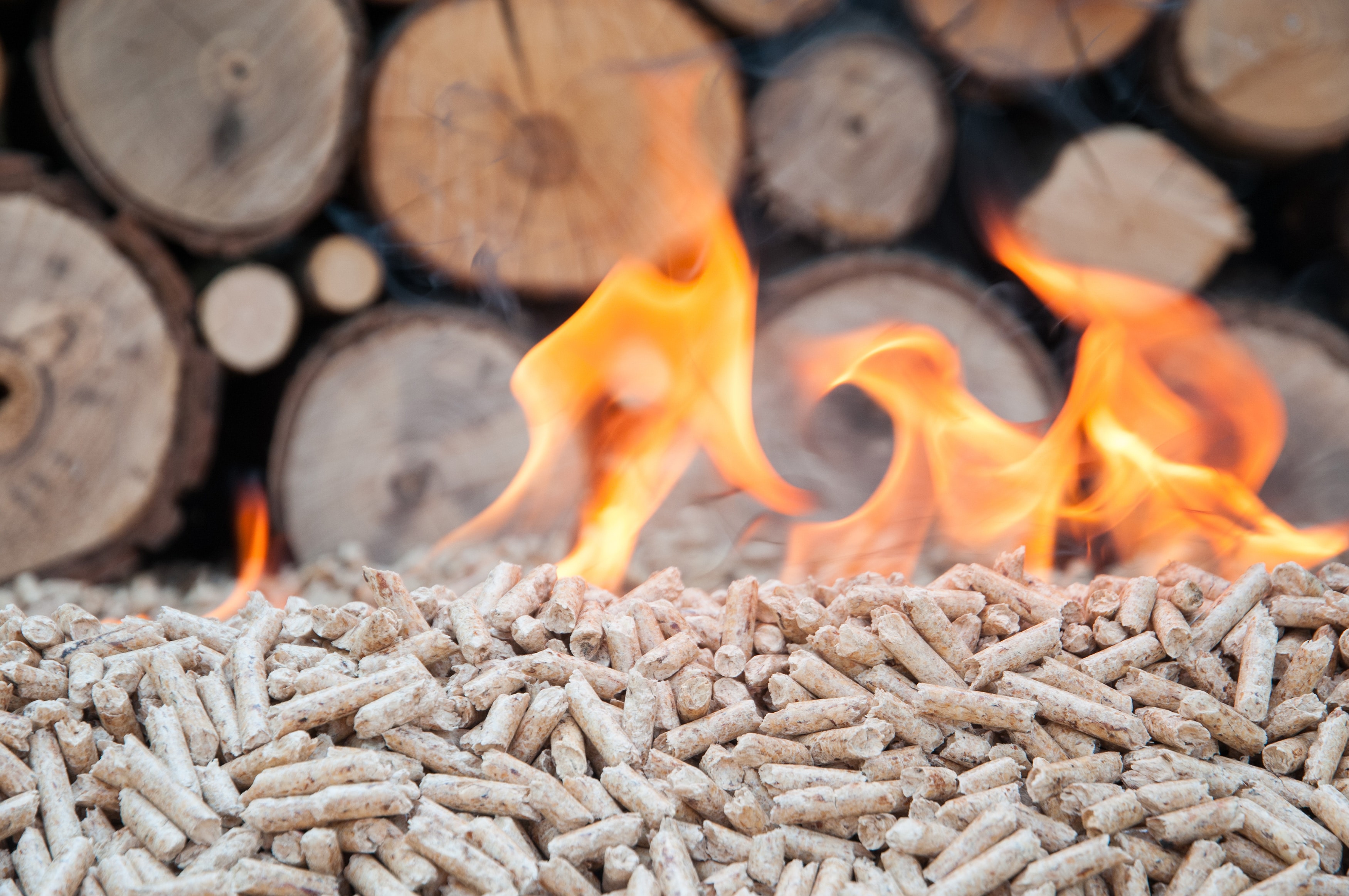
- Heating homes and buildings: Biomass can be burned directly to produce heat for residential and commercial spaces.
- Generating electricity: Biomass power plants utilize combustion or gasification processes to produce electricity.
- Producing biofuels: Biomass can be converted into liquid or gaseous biofuels, such as ethanol and biogas, which can be used as transportation fuels or for industrial purposes.
- Combined heat and power (CHP): Biomass CHP systems simultaneously generate heat and electricity, maximizing energy efficiency.

3. How sustainable is biomass as a renewable energy source?
NLP Answer: Biomass can be a sustainable renewable energy source when managed properly.
Expert Explanation: It is crucial to ensure the sustainable use of biomass as a renewable energy source. This can involve practices such as:
- Sustainable forest management: Ensuring that biomass feedstocks come from responsibly managed forests, where trees are replanted and biodiversity is preserved.
- Responsible agriculture: Utilizing agricultural waste and dedicated energy crops that do not compete with food production or contribute to deforestation.
- Efficient conversion technologies: Using advanced technologies that maximize energy efficiency and minimize emissions during biomass conversion processes.
- Life cycle assessments: Evaluating the environmental impact of biomass production, conversion, and utilization throughout its entire life cycle.
4. What are the benefits of using biomass as a renewable energy source?
NLP Answer: Biomass offers several benefits as a renewable energy source.
Expert Explanation: The utilization of biomass as a renewable energy source brings the following advantages:
- Reduces greenhouse gas emissions: Biomass energy releases carbon dioxide, but it is offset by the carbon absorbed during the growth of biomass feedstocks, making it carbon-neutral.
- Decreases dependence on fossil fuels: Biomass provides an alternative to fossil fuels, reducing reliance on non-renewable resources and enhancing energy security.
- Waste management: Biomass can utilize organic waste materials that would otherwise end up in landfills, reducing methane emissions and promoting sustainable waste management.
- Supports rural economies: Biomass production and processing can provide economic opportunities for rural communities, including job creation and local investment.
Conclusion
In conclusion, biomass is a renewable energy source that offers various benefits when managed sustainably. It can be used for heat, electricity, and biofuel production, while also reducing greenhouse gas emissions and supporting rural economies. However, it is essential to ensure responsible biomass sourcing, efficient conversion technologies, and life cycle assessments to maximize the sustainability of biomass as an energy resource.