Question 1:
What is biomass energy?

Answer: Biomass energy refers to the energy derived from organic materials, such as plants, wood, and agricultural waste. It is a renewable source of energy that can be used for heating, electricity generation, and various industrial processes. Biomass energy is obtained through the process of burning or converting the organic matter into usable forms of energy. It plays a crucial role in reducing reliance on fossil fuels and reducing greenhouse gas emissions. - Biomass energy is derived from organic materials - It can be used for heating, electricity generation, and industrial processes - Burning or converting organic matter produces biomass energy - Helps reduce reliance on fossil fuels and decrease greenhouse gas emissions
Question 2:
What does the Energy Transitions Commission warn about biomass energy?
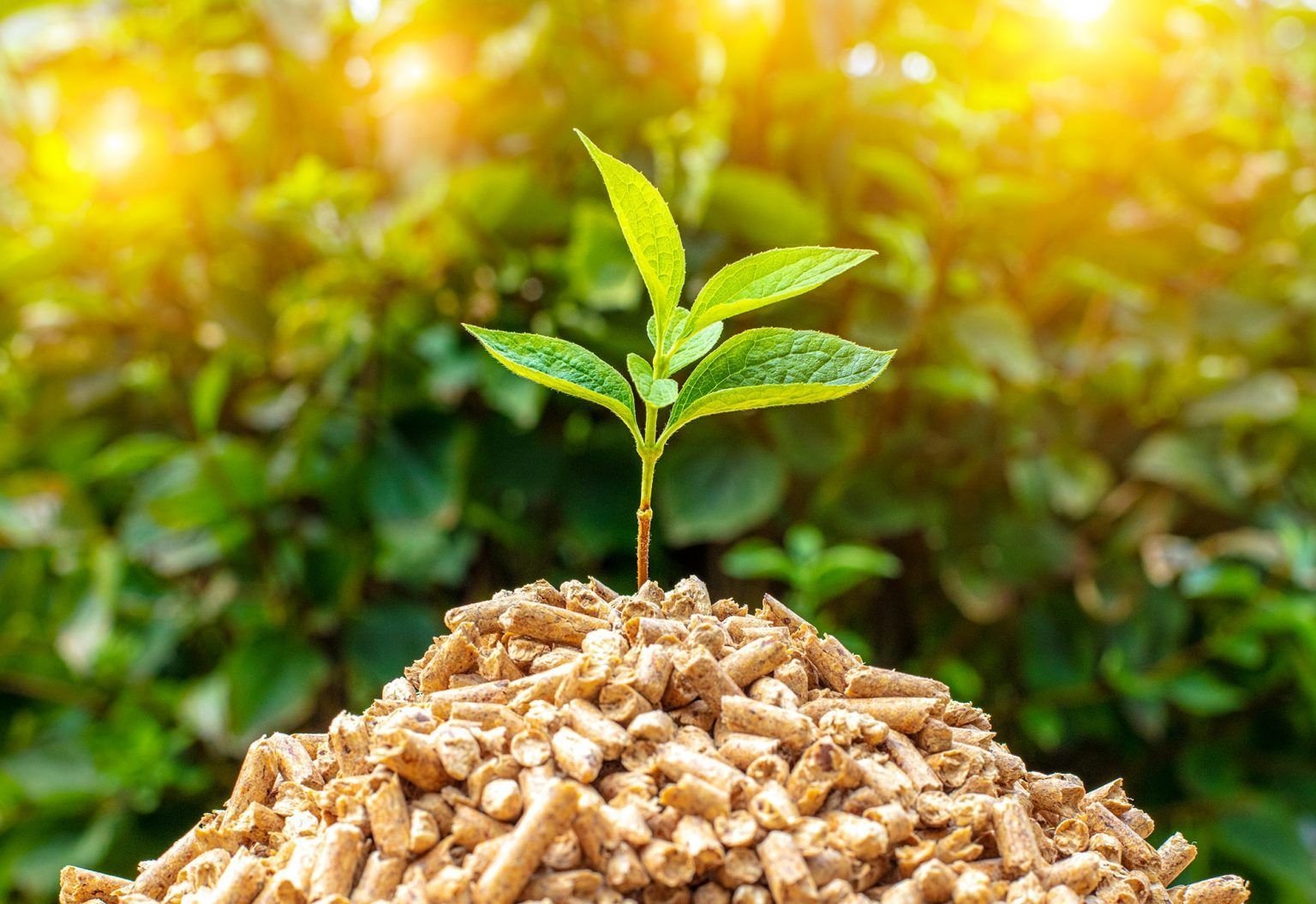
Answer: The Energy Transitions Commission has issued a warning that the demand for biomass energy is likely to exceed supply in the future. This means that the demand for biomass as a source of renewable energy is growing rapidly, but there may not be enough biomass resources available to meet this demand sustainably. The commission emphasizes the need for careful management and planning to avoid overexploitation of biomass resources and potential negative environmental impacts. - The demand for biomass energy is expected to surpass supply - There is a risk of insufficient biomass resources to meet the growing demand sustainably - Careful management and planning are essential to prevent overexploitation and environmental harm
Question 3:
What are the benefits of biomass energy?
Answer: Biomass energy offers several benefits, both from an environmental and energy security perspective. Here are some key benefits: - Renewable: Biomass is derived from organic materials, which are constantly replenished through natural processes. - Carbon Neutral: When biomass is burned, it releases carbon dioxide, but the carbon emitted is offset by the carbon that the plants absorb during their growth. This makes biomass energy carbon neutral, contributing less to climate change compared to fossil fuels. - Waste Management: Biomass energy can be generated from agricultural waste, forest residues, and other biomass sources that would otherwise be discarded. By utilizing these materials for energy production, biomass helps in waste management. - Local Resource: Biomass can be sourced locally, reducing dependence on imported fossil fuels and enhancing energy security. - Supports Rural Economy: Biomass energy production can create job opportunities and support rural economies, particularly in regions with abundant biomass resources.
Question 4:
How is biomass energy generated?
Answer: Biomass energy can be generated through various processes, including: - Combustion: Biomass materials are burned to produce heat, which can be used for direct heating, generating steam, or running turbines for electricity generation. - Anaerobic Digestion: Organic matter, such as agricultural waste or energy crops, is broken down by microorganisms in an oxygen-free environment to produce biogas, which can be burned for energy. - Gasification: Biomass is converted into a synthesis gas (syngas) through a high-temperature, oxygen-limited process. The syngas can be used for heating, electricity generation, or further converted into liquid fuels. - Pyrolysis: Biomass is heated in the absence of oxygen to produce bio-oil, syngas, and biochar. These products can be used for various energy applications.
Question 5:
What are the challenges of biomass energy?
Answer: Although biomass energy has several benefits, it also faces certain challenges, including: - Resource Availability: Biomass resources may not be available in sufficient quantities to meet the increasing demand without causing undue strain on ecosystems or competing with food production. - Environmental Impacts: Improper management of biomass production and combustion can lead to air pollution, release of harmful emissions, and potential negative impacts on biodiversity. - Land and Water Use: Biomass cultivation requires land and water resources, which may compete with other land uses, such as food production or natural ecosystems. - Supply Chain Logistics: Biomass feedstock needs to be collected, transported, and processed, requiring efficient supply chain infrastructure for a sustainable and cost-effective operation. - Technology Development: Advancements in biomass conversion technologies, such as improving efficiency and reducing emissions, are necessary for maximizing the potential of biomass energy.
Question 6:
Are there any alternatives to biomass energy?
Answer: Yes, there are alternative sources of renewable energy that can complement or substitute biomass energy. Some notable alternatives include: - Solar Energy: Harnessing the power of sunlight through photovoltaic panels or solar thermal systems. - Wind Energy: Using wind turbines to convert wind energy into electricity. - Hydroelectric Power: Generating electricity by utilizing the energy in flowing or falling water. - Geothermal Energy: Tapping into the heat stored within the Earth's crust for heating and electricity production. - Tidal Power: Capturing the energy from ocean tides to generate electricity. These alternative energy sources offer their own unique advantages and considerations, and a diversified energy mix that incorporates multiple renewable sources is often recommended for long-term sustainability.
Question 7:
How does biomass energy contribute to reducing greenhouse gas emissions?
Answer: Biomass energy plays a role in reducing greenhouse gas emissions through several mechanisms: - Carbon Neutral Cycle: When plants grow, they absorb carbon dioxide from the atmosphere through photosynthesis. When biomass is burned for energy, it releases carbon dioxide back into the atmosphere. However, since the absorbed carbon is roughly equivalent to the emitted carbon, biomass energy is considered carbon neutral, as it does not contribute to a net increase in atmospheric carbon dioxide levels. - Substitution for Fossil Fuels: Biomass energy can serve as a renewable substitute for fossil fuels, such as coal or natural gas. Burning biomass instead of fossil fuels reduces the net emissions of carbon dioxide and other greenhouse gases into the atmosphere. - Waste Management: By utilizing biomass materials that would otherwise decompose and release methane (a potent greenhouse gas), biomass energy helps reduce methane emissions, which contribute significantly to global warming. It is important to note that while biomass energy can reduce greenhouse gas emissions compared to fossil fuels, careful sourcing and management practices are necessary to ensure its sustainability and minimize potential environmental impacts.
Question 8:
Does biomass energy have any economic benefits?
Answer: Yes, biomass energy can provide economic benefits at various levels: - Job Creation: Biomass energy production and related industries can create job opportunities, particularly in rural areas. From biomass cultivation and harvesting to conversion facilities and maintenance, the sector can support local employment. - Energy Security: Utilizing locally available biomass resources reduces dependence on imported fossil fuels and enhances energy security. This can stabilize energy prices, reduce geopolitical risks, and provide a more sustainable energy supply. - Agricultural Sector Support: Biomass energy can offer additional revenue streams for farmers and agribusinesses. Agricultural residues, energy crops, and by-products can be used as biomass feedstock, enabling diversification and increased income for agricultural activities. When properly managed, biomass energy can contribute to regional development, stimulate local economies, and create a more sustainable energy infrastructure.
Question 9:
Are there any regulations or policies governing biomass energy?
Answer: Yes, there are regulations and policies in place to govern the production, conversion, and utilization of biomass energy. These policies vary by country and region but generally aim to ensure sustainability, environmental protection, and alignment with renewable energy goals. Some common regulatory aspects related to biomass energy include: - Feed-in Tariffs: Governments may offer financial incentives, such as feed-in tariffs, for electricity generated from biomass, encouraging its use as a renewable energy source. - Emission Standards: Regulations prescribe emission limits and air quality standards for biomass combustion or conversion facilities to minimize pollution and protect public health. - Sustainability Criteria: Biomass sourcing and production may be subject to sustainability criteria, promoting responsible land use, biodiversity conservation, and greenhouse gas savings. - Certification Systems: Certification schemes, such as the Roundtable on Sustainable Biomaterials (RSB) and Forest Stewardship Council (FSC), provide assurance of sustainable biomass production and supply chain transparency. - Land Use Planning: Local zoning and land use regulations may govern the establishment and operation of biomass facilities to ensure compatibility with surrounding areas and minimize environmental impacts.
Question 10:
Is biomass energy considered a reliable source of renewable energy?
Answer: Biomass energy can be considered a reliable source of renewable energy when sourced and managed responsibly. However, its reliability is influenced by several factors, including: - Resource Availability: Biomass resources need to be available sustainably and in sufficient quantities to meet energy demands without causing negative environmental impacts or competing with other essential land uses. - Seasonal Variations: Certain biomass feedstocks, such as agricultural residues or energy crops, may be available seasonally, affecting the consistent availability of biomass energy throughout the year. - Plant Efficiency and Maintenance: Efforts should be made to optimize biomass conversion processes, improve plant efficiency, and ensure proper maintenance to minimize downtime and maximize energy generation. - Backup Systems: Reliable backup systems, such as storage options or alternative energy sources, may be necessary during periods of low biomass availability or unexpected disruptions. When these factors are taken into account and appropriate measures are implemented, biomass energy can provide a reliable and sustainable source of renewable energy.
Question 11:
How does biomass energy impact air quality?
Answer: The impact of biomass energy on air quality depends on various factors, including the type of biomass feedstock, the combustion technology used, and emission control measures. While biomass combustion does release carbon dioxide, which contributes to climate change, it can have lower emissions of certain air pollutants compared to fossil fuel combustion. However, it is important to ensure proper plant design, maintenance, and emission control practices to mitigate potential air quality impacts. - Particulate Matter: Biomass combustion can produce particulate matter (PM) emissions, which can have adverse effects on air quality and human health. Well-designed and properly maintained biomass facilities can incorporate filtration or other control techniques to minimize PM emissions. - Nitrogen Oxides (NOx): Biomass combustion can produce nitrogen oxide emissions, which contribute to air pollution and the formation of smog. Advanced combustion technologies and emission control systems can reduce NOx emissions from biomass facilities. - Sulfur Dioxide (SO2): Biomass combustion generally has lower sulfur content compared to some fossil fuels, resulting in lower SO2 emissions. This can contribute to improved air quality and reduced acid rain potential. - Volatile Organic Compounds (VOCs): Biomass combustion can release volatile organic compounds, which can contribute to the formation of ground-level ozone and other air pollutants. Proper combustion techniques and emission control systems can help minimize VOC emissions. Proper plant design, emission monitoring, and compliance with air quality regulations are essential to ensure that biomass energy production remains environmentally sound.
Question 12:
What is the future outlook for biomass energy?
Answer: The future outlook for biomass energy is influenced by factors such as technological advancements, policy support, and evolving sustainability considerations. While biomass energy has the potential to play a significant role in transitioning to a more sustainable energy system, several challenges and uncertainties exist. Key aspects for the future of biomass energy include: - Technological Innovation: Continued advancements in biomass conversion technologies, such as improved efficiency, reduced emissions, and more diverse feedstock options, can enhance the viability and competitiveness of biomass energy. - Sustainability Principles: Ensuring the sustainable sourcing and management of biomass resources will be crucial for avoiding potential negative environmental impacts and maintaining long-term viability. - Policy Support: Clear and consistent policies, including regulations, incentives, and investment frameworks, can provide the necessary market signals and support for biomass energy development. - Renewable Energy Integration: Integrating biomass energy with other renewable energy sources, such as solar and wind power, can create a more diversified and resilient energy mix that can meet varying energy demands and contribute to overall decarbonization efforts. - Collaboration and Knowledge Sharing: Collaboration among stakeholders, research institutions, and industry players is essential for sharing best practices, supporting innovation, and addressing barriers to biomass energy deployment. By considering these factors and adopting a holistic approach to biomass energy development, its future potential can be maximized as part of a sustainable and low-carbon energy system.
